At Lei Wa Lakom, we have always believed that meaningful change begins by asking better questions.
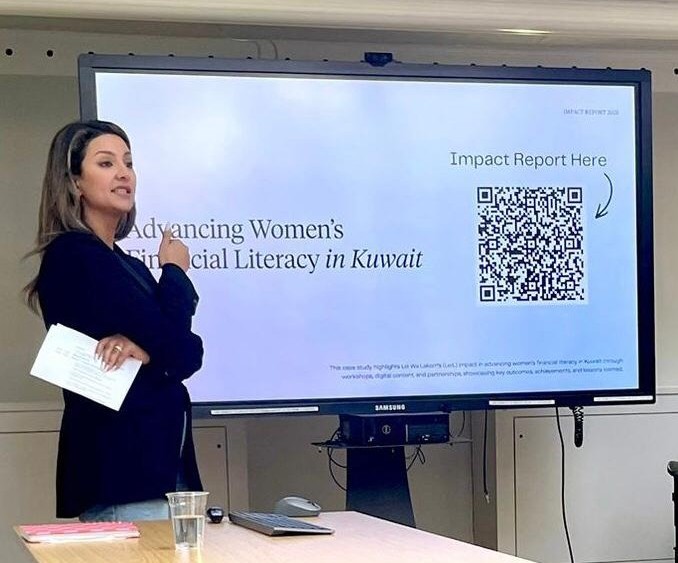
This June, our founder, Taiba Al-Humaidhi, had the opportunity to present our work at the 6th Annual Behavioural Transformations Workshop, hosted by The School for Government at King’s College London in collaboration with the LSE Behavioural Lab at the London School of Economics and Political Science.
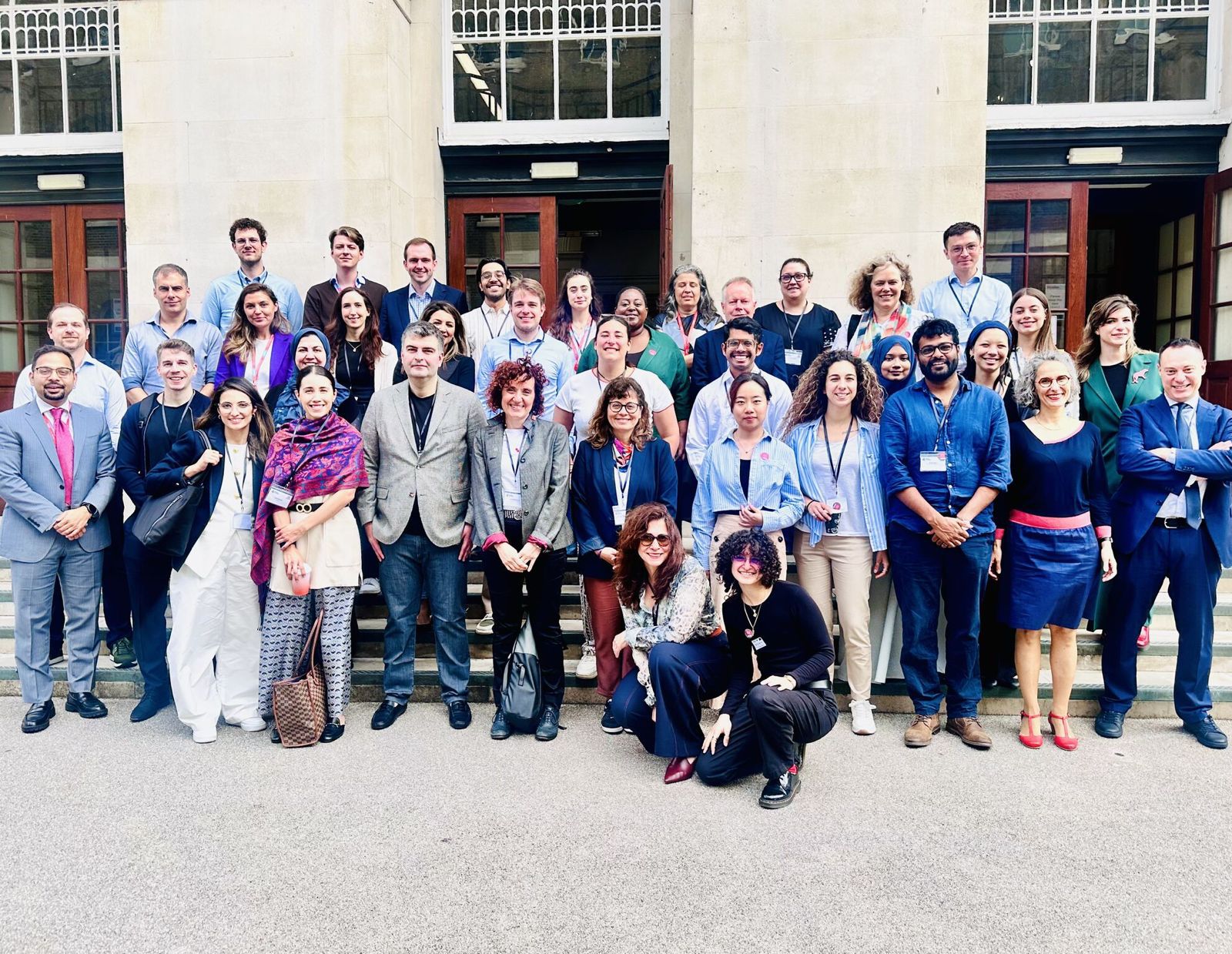
The workshop brought together an international community of behavioural scientists, policymakers, and practitioners exploring how behavioural insights can help address some of society’s most pressing challenges. Against this backdrop, we shared a question that has guided much of our work over the past few years:
How do we improve financial literacy if we don’t know how to measure it?
Starting From Zero
When Lei Wa Lakom first began exploring financial literacy in Kuwait, we quickly realised that while there were many conversations about awareness and education, there was something fundamental missing.
There was no validated national measure of financial literacy designed specifically for Kuwaiti youth.
Without understanding where people stand today, it becomes difficult to design interventions, allocate resources, or evaluate whether our efforts are making a difference.
That gap became our starting point.
In collaboration with researchers and academics, we worked to develop and validate a comprehensive financial literacy questionnaire tailored to the Kuwaiti context. The study involved more than 1,000 young people aged 18–25 and identified four key domains of financial literacy that can serve as a foundation for future research, education, and policy development in Kuwait.
You can read the published study here:
https://www.inderscienceonline.com/doi/abs/10.1504/WREMSD.2025.150391
From Measurement to Action
Research, however, is only valuable if it improves people’s lives.
The next phase of our journey focused on university students through pilot financial literacy workshops. By using pre- and post-intervention surveys, we sought to understand not only what students knew, but how they learned.
We explored:
· Their baseline financial knowledge,
· Which topics they found most relevant,
· How their understanding changed after the workshops,
· And what made financial education engaging and memorable.
One of the strongest lessons we learned was simple:
People do not always change their behaviour simply because they receive information.
Students responded most positively to content that was practical, visual, and connected to their everyday experiences.
Bridging the Intention–Action Gap
This insight led us to an even more important question:
What happens after people know what they should do?
As behavioural scientists have long recognized, there is often a gap between intention and action. Many people understand the importance of saving, budgeting, or planning for the future, yet struggle to translate that knowledge into everyday habits.
Our current work seeks to understand how behavioural tools can help bridge that gap.
Through focus groups and future interventions, we aim to explore whether educational content alone is enough to influence behaviour, or whether additional behavioural supports—such as reminders, accountability mechanisms, and well-designed nudges—can help transform knowledge into action.
Thinking Beyond the Classroom
Technology also plays an important role in this vision.
Through our educational platforms, we are exploring ways to monitor engagement, support learning, and deliver behavioural interventions at scale.
Looking ahead, our ambition extends beyond improving financial knowledge. We hope to contribute to building a society that is more financially capable—one where individuals have not only the information they need, but also the tools, confidence, and support systems necessary to make decisions that improve their long-term wellbeing.
Why This Matters
Presenting this work at King’s College London and the London School of Economics was not simply about sharing research findings.
It was an opportunity to bring Kuwait into an important global conversation.
Too often, the region is discussed through imported solutions and international data. Yet the realities of our communities, cultures, and financial behaviours deserve to be understood on their own terms.
By building evidence from within our own context, we can design interventions that reflect the lived experiences of the people they are intended to serve.
At Lei Wa Lakom, this remains our commitment: to combine research with action, behavioural science with community engagement, and local knowledge with global best practices.
Because improving financial literacy is not only about helping people understand money.
It is about expanding capability, strengthening resilience, and creating opportunities for individuals—and nations—to thrive.